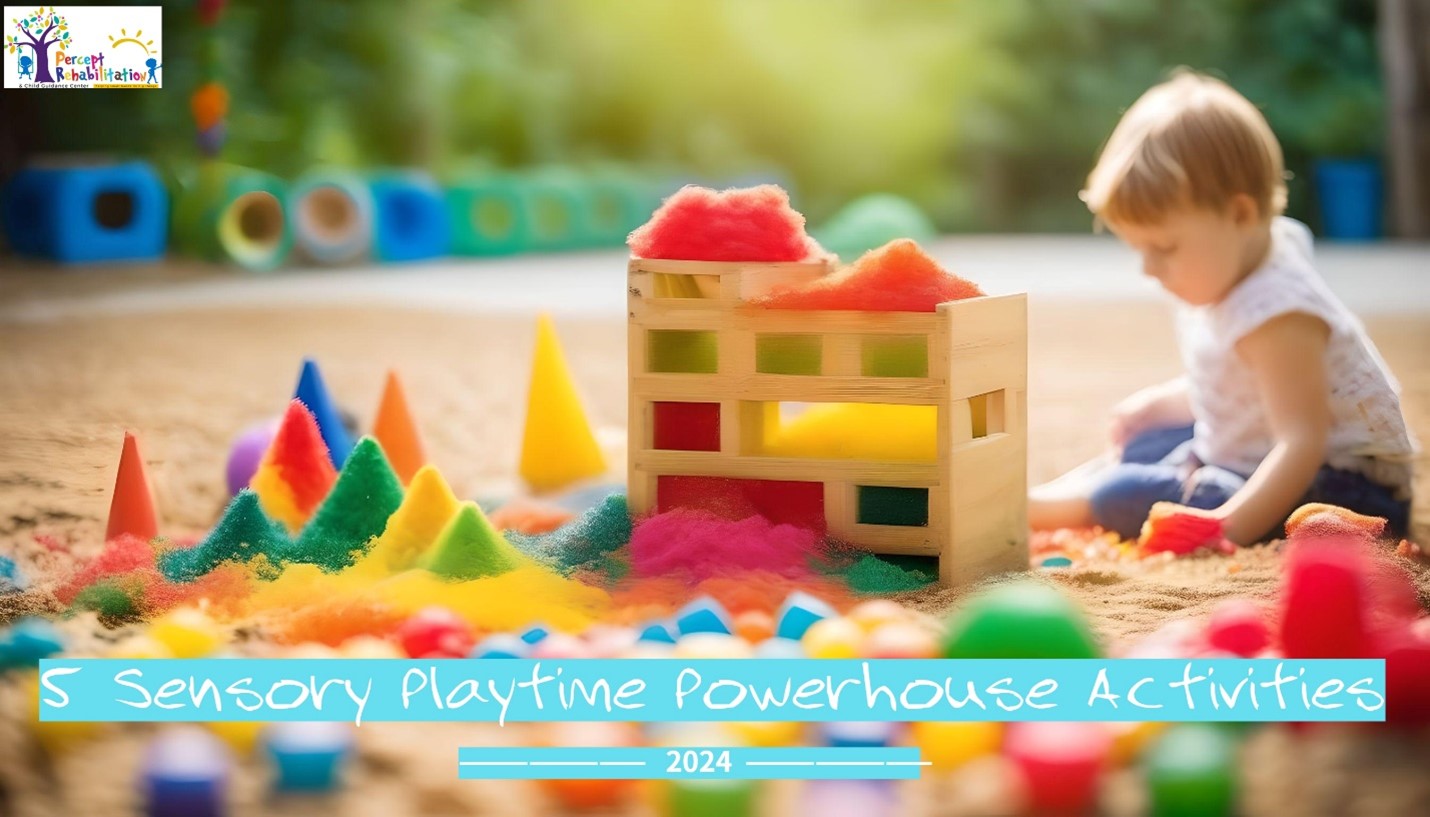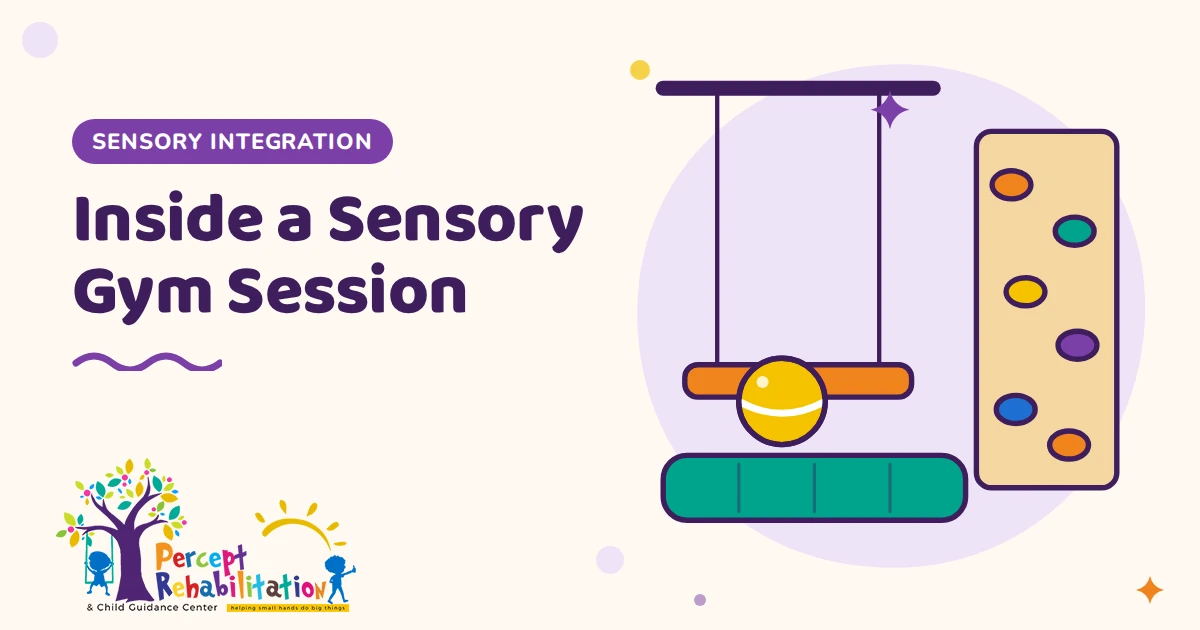
If your child has been recommended sensory integration therapy, you might picture desks and worksheets. In reality, you’ll walk into something closer to an indoor playground: swings hanging from the ceiling, soft mats, climbing walls and ball pits.
It looks like play, and to your child it feels like play. But every activity has a purpose. Here’s what actually happens in a sensory gym session.
What is a sensory gym?
A sensory gym is a therapy space designed to give children controlled, safe sensory experiences, especially movement, deep pressure and touch. It’s where occupational therapists deliver sensory integration therapy, an approach developed by occupational therapist Dr A. Jean Ayres. For the theory behind it, read our sensory integration therapy guide.
Equipment you’ll see, and why it’s there
| Equipment | What it provides | What it helps with |
|---|---|---|
| Platform and bolster swings | Movement (vestibular) input | Balance, body awareness, calming or alerting |
| Lycra or cocoon swing | Deep pressure while swinging | Calming, body awareness |
| Crash mats and cushions | Safe deep pressure | Regulation for sensory seekers |
| Climbing wall or ladder | Heavy work, motor planning | Strength, coordination, confidence |
| Ball pit | Whole-body touch and pressure | Tolerating touch, body awareness |
| Trampoline | Movement and proprioceptive input | Alertness, coordination |
| Therapy balls and balance boards | Balance and core control | Posture, stability for sitting and writing |
| Tactile bins (sand, rice, beans) | Touch input | Tolerating textures, fine motor skills |
| Fine-motor table | Hand skills practice | Grip, handwriting readiness |
A typical session, step by step
Sessions usually last 45–60 minutes. The exact flow depends on your child, but a session often looks like this.
1. Arriving and settling (5 minutes)
The therapist greets your child and checks in on how they’re feeling today. Some children need calming input first; others need waking up.
2. Getting “just right” (10–15 minutes)
Movement and heavy work bring your child into a calm, alert state. A sensory seeking child may crash into cushions or climb; a sensory avoider may start with slow, predictable swinging.
3. The “just-right challenge” (20–25 minutes)
This is the heart of the session. The therapist sets up activities just a little beyond what your child can easily do: an obstacle course, a swinging game that needs timing, a climbing task that needs planning. Your child leads the play, and the therapist adjusts it moment to moment.
4. Skill work (5–10 minutes)
Once your child is regulated, it’s the best time for focused work like fine motor tasks, pre-writing or self-care practice.
5. Calming down and parent feedback (5–10 minutes)
The session ends with calming activities so your child leaves settled. The therapist shares what went well and gives you activities for home, often as part of a sensory diet.
What parents do during the session
This varies by clinic and by child. Some children do best with parents watching; others focus better without an audience. Either way, you should get a clear summary afterwards and practical strategies for the week.
Is it safe?
A well-run sensory gym uses equipment designed for therapy, with padded floors, secure ceiling mounts and regular safety checks. Your child is supervised one-to-one throughout. The therapist also watches closely for signs of overload, such as flushing, yawning or sudden changes in mood, and adjusts activities immediately.
How to prepare your child
- Dress them in comfortable clothes they can climb and roll in.
- Avoid a heavy meal right before swinging.
- Tell them it’s a special play place with swings.
For the very first visit, read what to expect at your child’s first occupational therapist appointment.
The sensory gym at Percept
Percept Rehabilitation Center in Indirapuram has a dedicated sensory gym with [confirm: suspended swings, crash mats, climbing equipment, ball pit, trampoline and tactile stations]. Every session is one-to-one with a trained occupational therapist and ends with feedback for parents.
CTA: Book sensory integration therapy near you in Indirapuram. Call +91 88604 60038 or message us on WhatsApp to arrange a visit.
Frequently asked questions
How often should my child attend sensory integration therapy?
Most children attend two to three sessions a week, but your therapist will recommend a frequency based on the assessment.
What age is sensory integration therapy for?
It’s most often used with children aged 2 to 12, though the approach can be adapted for younger and older children.
My child only seems to play. Is it really therapy?
Yes. Play is how children’s nervous systems learn. Every activity is chosen and adjusted to target specific sensory and motor goals.
Can I visit the sensory gym before booking?
Many clinics, including Percept, are happy to show parents around. Call ahead to arrange a time.
What if my child is scared of the swings?
That’s common. The therapist starts with whatever feels safe and builds tolerance gradually, never forcing your child.